With over 25 years of industry experience, Professional Restoration Services of Tampa Bay provides the Tampa Bay area with complete disaster restoration services for both residential and commercial losses.We also do remodeling. We were recently featured on HGTV on Beachfront Bargain Hunters for a condo we remodeled on St. Pete Beach. No matter what your project is, we can handle the entire project from start to finish.
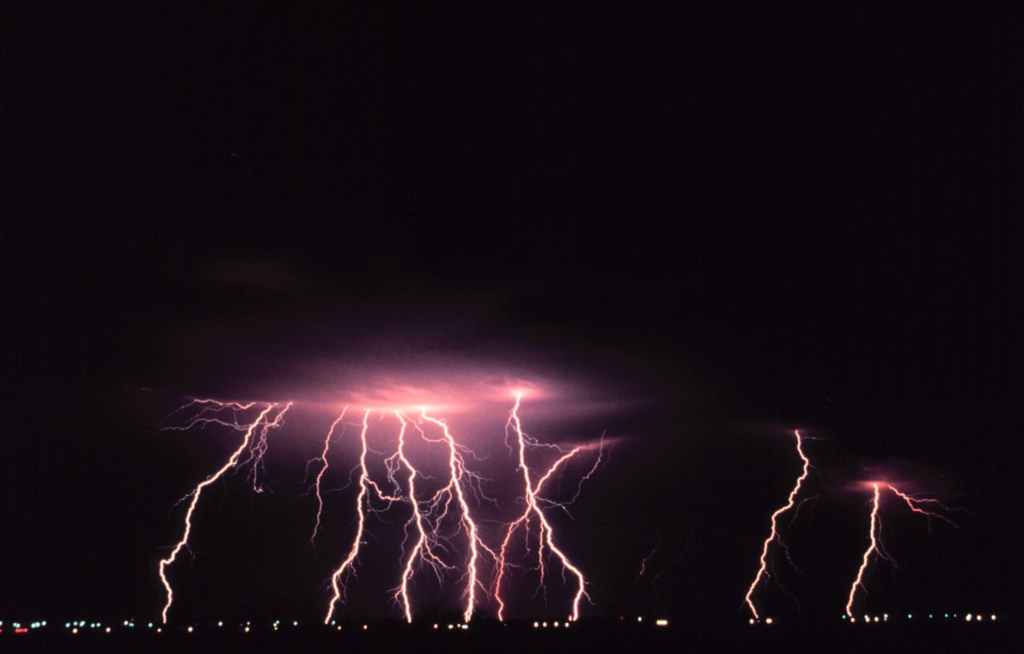
Lightning is the flash of light produced by a discharge of atmospheric electricity that occurs within clouds, between clouds or between clouds and the ground. The spark can reach over five miles (eight km) in length, raise the temperature of the air by as much as 50,000 degrees Fahrenheit (27,200 degrees C), and contain a hundred million electrical bolts. The rapid expansion of heated air causes the thunder. Since light travels faster than sound, the thunder is heard after the lightning. If you see successive strokes of lightning in the same place on the horizon, then you are in line with the storm, an it may moving toward you.
Facts & Statistics
More than 200,000 lightning damage claims are filed each year with insurance companies. One out of every 200 homes get struck by lightning each year. Lightning starts about 4,400 house fires each year. A bolt of lightning can reach temperatures up to 50,000 degrees, which is 5x hotter than the surface of the sun. The chances of becoming a lightning victim in the US in any one year is 1 in 700,000. Lightning can cause cardiac arrest or even death. Injuries from lightning range from severe burns and permanent brain damage to memory loss and personality change. About 10% of lightning-strike victims are killed, and 70% suffer serious long-term effects. About 400 people survive lightning strikes in the US each year. Lightning is not confined to thunderstorms. It’s been seen in large hurricanes, extremely intense forest fires, volcanic eruptions, surface nuclear detonations and in heavy snowstorms.
Safety Tips
Lightning rods can help protect a building from catching fire, although they are not 100 percent effective. They do not protect against power surges.
Do not use a landline telephone, electrical wires may be hit by lightning. even using a cell phone is hazardous because the metal parts can conduct lightning. Most people hurt by lightning while inside their homes are on the telephone.
A automobile with a metal top can offer you some protection – but keep your hands from the metal sides.
Victims of lightning do not retain the charge and are not “electrified”. It is safe to help them.
Stay away from windows and doors and stay off porches.
Do not lie on concrete floors and do not lean against concrete walls.
If outdoors do not stand underneath or near a tree.
Whether inside or outside, do not be in or near a water source.
Lightning can enter your home in three main ways:
A direct strike
Through wires or pipes that extend outside the structure
The ground
Once the lightning has entered your home, it can travel through the electrical, phone, plumbing and radio or television reception systems. Lightning can ruin the electrical system in your home and it can also cause a fire. The fire could very well start within the walls, so you may not notice it until it’s too late. You should call 911 immediately after your home is struck by lightning. The fire department handles all lightning calls and they are equipped with thermal imaging cameras to locate a possible fire burning in your home. They also will be able to survey the damages and let you and your family know when it is deemed safe to enter again.
What if lightning strikes your home?
After you have gotten everyone out safely and the fire department has assessed your home, you may be left with damages. A standard home owner’s insurance policy should cover damages caused by lightning, including fires and fried electronics. Below are some tips you can use that will help you get your home back in order:
Keep detailed records of all big-ticket purchases, such as TVs, laptops and other expensive electronics. The insurance company will want to see proof of ownership.
Report a lightning strike to your agent as soon as possible.
Check with your claim representative before you discard any items you plan to claim as damaged.
Keep accurate records of how much you spend repairing or replacing items.
Review your policy for specific coverage information.
Lightning’s destruction can be random. In some instances, your computer could be fried but your TV still works. You should check all electrical equipment that was plugged in during the time when the lightning struck for damage. If lightning causes fire in your home, you will need a professional to restore your home. CallPRS at 727-NO-WATER. They have technology and experience and they are available 24/7. PRS is equipped to handle fire and smoke damage, as well as any other disaster your home may encounter.
Source: Larry West – “Why is Lightning Dangerous?” Web blog post. Environmental Events – Dec. 2016.
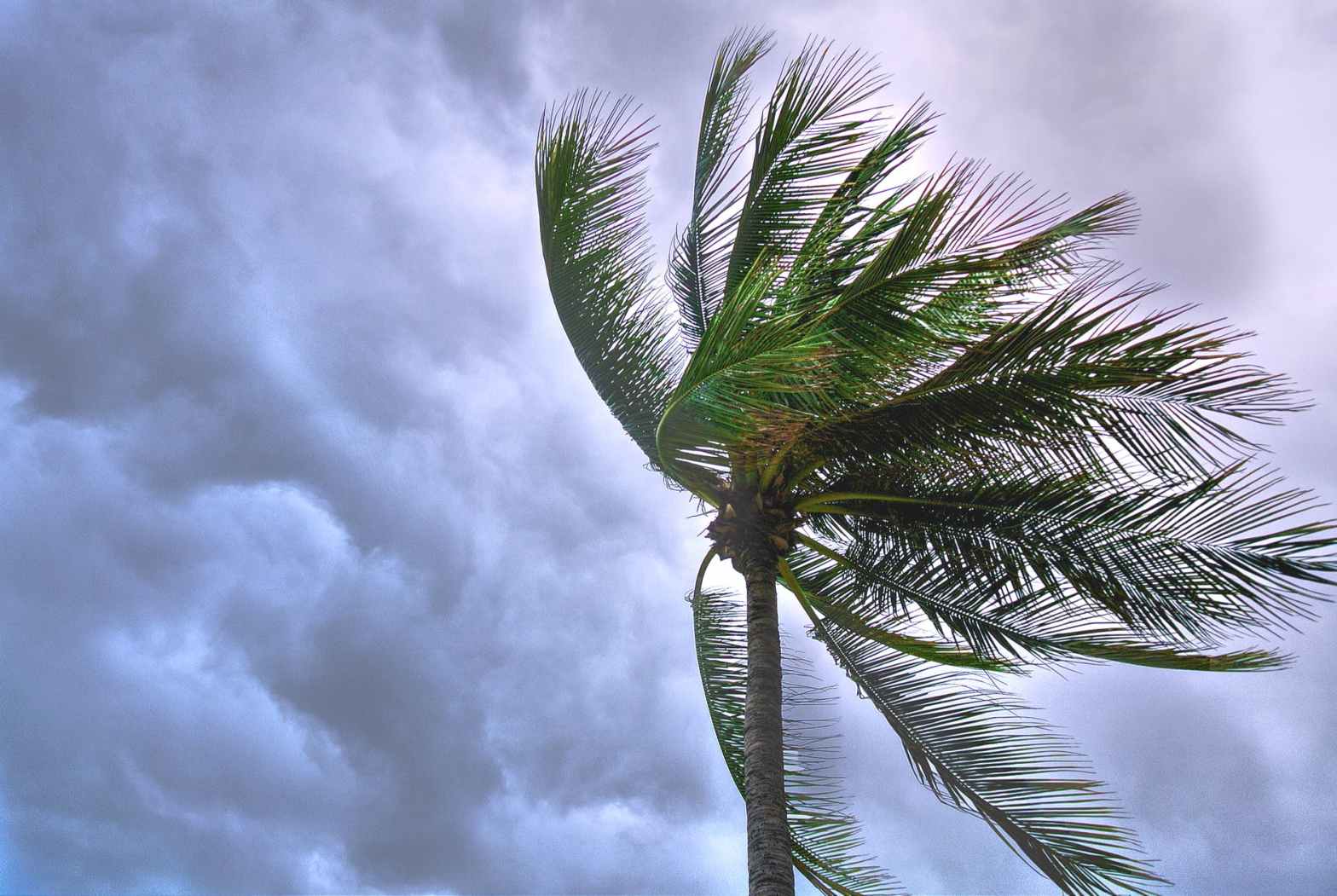
Hurricane and tropical storm safety should be taken seriously from the very beginning of a hurricane season, to ensure that your family and property are prepared. It is important to know the evacuation routes in your area in case you must evacuate, especially if your home is near the coast. You should also have your home inspected to ensure that it meets code to handle the strong winds associated with a hurricane. Perhaps the most important preparation for hurricane season is putting together a supply kit, so you and your family have everything you need to make it through the storm. A storm supply kit should include the following:
Non-perishable foods, such as soups, cereal and dry goods, as well as a manual can opener
Blankets, pillows and sleeping bags
Flashlights, NOAA radio and batteries
Gallons of water
Toiletries, such as toilet paper, toothbrushes, shampoo, etc.
Family prescriptions and first aid kit
Important documents, such as passports, insurance policies, Social Security cards, credit cards, cash, etc.
Tools
What To Do After A Storm
The storm has passed. Now what?
When power returns to your home, turn your major appliances on gradually to reduce damage to sensitive equipment.
Avoid downed, damaged or loose power lines and report them immediately to the local police and fire department, as well as to the local utility service provider in your area.
Do not use electrical or gas appliances that have been wet, and do not turn on damaged appliances, because of the hazards of electric shock or fire.
Even if you have ventilation, never use a generator indoors. This includes garages and crawlspaces. Exhaust fumes contain high levels of carbon monoxide, which can be deadly if inhaled. Even when used outside, keep generators away from doors and windows and at least 10 feet away from your home. Also, allow your generator time to cool down before refilling it with gas – splashing gas on hot generator exponents can lead to a fire.
Never use charcoal indoors, because burning charcoal produces high levels of carbon monoxide that can reach lethal levels in enclosed spaces.
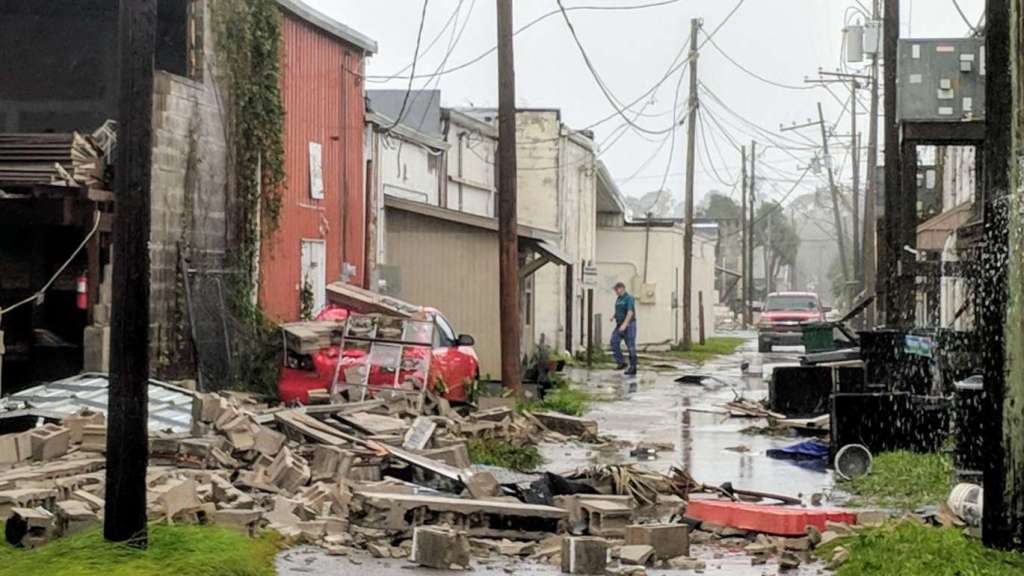
photo credit: Tampa Bay Times – Aftermath of Hurricane Michael in the Florida panhandle
Aftermath & Returning Home
If you spent the storm taking shelter in your home, you should remain inside until the storm has passed completely. If your family was forced to evacuate, make sure the municipal government has deemed it safe to return, as floods, mudslides, downed power lines, property damage and other resulting disasters can continue to make the area dangerous after the storm. It is just as important to exercise safety precautions in the aftermath of a hurricane as it is during the storm and it may take a while for your home or area to return to normal. In the meantime, try to stay safe in your home and use your emergency supplies if necessary.
Hurricanes vary widely in strength and have the potential to cause all types of problems, from damage to your home to widespread flooding and destruction that can disrupt entire communities. Following these safety tips will help you keep your family and your property safe in the event of a hurricane. If you experience significant property damage as a result of a hurricane, make sure you call PRS of Tampa Bay immediately to help repair the damage. These professionals will stabilize your home or building to prevent further damage and repair your home quickly, so you can resume your normal life.
Further Damage
Unless you take preventive measures immediately after a disaster, the excessive moisture will continue to damage your household items and materials. With time, the damage will spread throughout your entire property and become irreversible.
You should also keep in mind that rain, high winds or other unfavorable weather conditions may easily inflict further damage to your home or commercial property if it has already been compromised by a disaster (broken roof, missing doors or windows, cracked walls, etc.) and left unattended. So, you are strongly advised to clear the damage as soon as possible after an emergency and protect your home against the mercurial moods of mother nature and other misfortunes.
Click here for more invaluable information on how to prepare for hurricanes and other inclement weather.
We are three weeks into hurricane season 2020 and though we started the season with record activity, it has been quite calm over the last few weeks. The fourth named storm, Dolly, was fortunately very weak. But we shouldn’t be lulled into complacency over this brief respite of tropical storm activity, remember September is when hurricane season reaches its peak.
It is more crucial than ever that hurricane preparedness continues to be the focus, particularly with the Corona pandemic still looming over our heads. Preparing the house and getting documents and insurance in order should be at the forefront of any Coastal dwellers mind right now, but don’t forget to build your emergency kit. Don’t get caught up in trying to buy all of your supplies, as we’re staring down the barrel of the cone, prepare early. Here is what to pack in an emergency kit and additional steps to take ahead of a hurricane, according to the Federal Emergency Management Agency. (FEMA)
Emergency kits should combine basic staples (food, water) with supplies reflecting your family’s individual needs, like medications or baby formula.
Water: First and foremost, store at least three gallons of water per person – enough to last each three days. If your think you’ll be cut off longer, add an extra gallon per person per day.
Cash: Banks and ATMs could shut down. Power outages render debit and credit cards useless.
Documents: Keep copies of key documents in a waterproof, easy-to-carry container. These include identification, such as passports and Social Security cards, as well as insurance policies and bank account records.
Medications: Keep a one-week supply of prescription medications, plus any over-the-counter items, like pain relievers and antacids.
Food: Lay in a three-day supply of canned food and dry mixes – nothing that needs refrigeration. Avoid thirst-inducing foods, and remember the dietary needs of those around you, including infants (ready-to-feed formula) and pets. Secure a manual can opener.
Sanitation: Think moist towelettes, garbage bags and diapers. Consider paper goods, such as plates and cups , as well as plastic utensils. The Corona pandemic has also caused the recommendation of adding masks and hand sanitizer to the list.
Backup phone chargers: Portable power banks could prove essential in a power outage. Here is a list of emergency apps to consider adding to your smart phone pre-storm. There are also tips on how to prepare your smart phone and other electronic devices before disasters.
Additional items: Flashlights with spare batteries, blankets, first aid kit and NOAA radios are all recommended.
FEMA offers a printable checklist for all-purpose emergency kits. This can be useful to take to the store as you build your stockpile.
Don’t forget to create a “Go Bag” for each member of your family (including pets) in the event you must evacuate. Pack an easily portable bag containing clothes for several days, as well as water, snacks and some of the items from your emergency kit.
Did you know that if a fire starts in your home, you may have just two minutes to escape? Did you also know that roughly half of home fire deaths result from fires reported between 11 pm and 7 am, when most people are asleep?
The most effective way to protect yourself and your home from fire is to identify and remove fire hazards. Almost 60% of house fire deaths occur in homes with no working smoke alarms. During a home fire, working smoke alarms and a fire escape plan, that has been practiced regularly, can save lives.
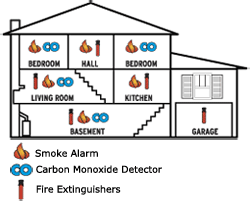
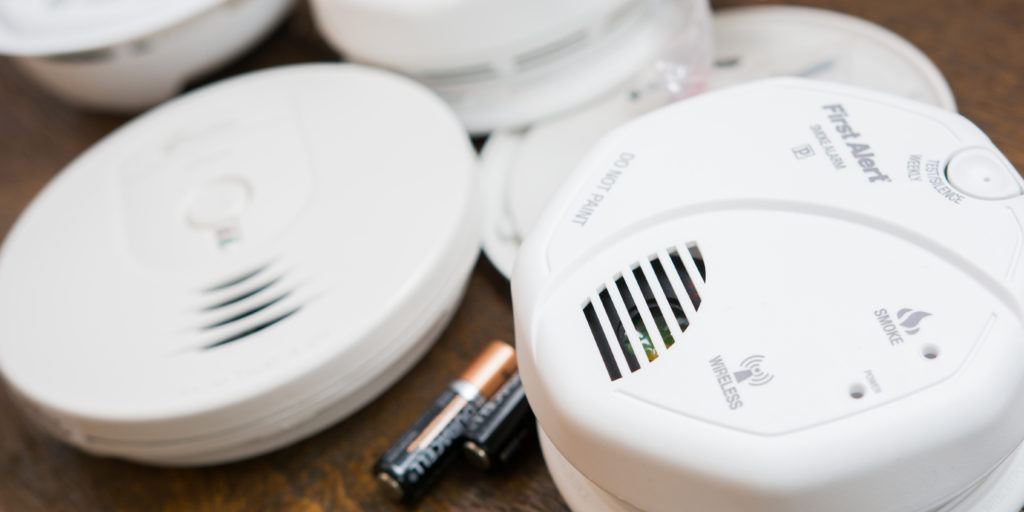
Install smoke alarms on every level of your home, inside bedrooms and outside sleeping areas. Test smoke alarms once a month, if they’re not working, change the batteries. Smoke alarms should be replaced every 10 years. Smoke alarms save lives! If there is a fire in your home, smoke spreads fast and your need smoke alarms to give you time to get out. In fact, having a working smoke alarm cuts the chances of dying in a reported fire in half!
Never disable smoke or carbon monoxide alarms. Carbon monoxide alarms are not substitutes for smoke alarms. Install carbon monoxide alarms in central locations on every level of your home and outside sleeping areas. If the carbon monoxide alarm sounds, move quickly to a fresh air location outdoors or by an open window or door.
A few fire safety tips:
If a fire occurs in your home, GET OUT, STAY OUT and CALL for help.
Install smoke alarms on every level of your home, inside bedrooms and outside sleeping areas.
Test smoke alarms once a month, if they’re not working, change the batteries.
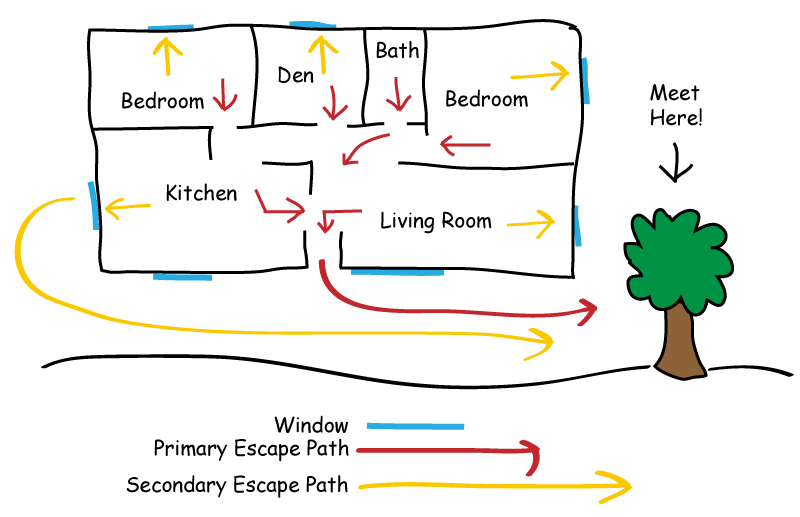
Talk with all household members about a fire escape plan and practice the plan twice a year.
Ensure that all household members know two ways to escape from every room of your home. After escaping from the home, make sure everyone knows where to meet outside in case of fire. Practice escaping from your home at least twice a year and at different times of the day. Practice waking up to smoke alarms, low crawling and meeting outside. Make sure everyone knows how to call 911. Also, it is important to teach household members to stop, drop and roll if their clothes should catch on fire.
What are the Differences Between Licensed and Unlicensed Contractors?
It is a privilege, in the state of Florida, to be a licensed contractor. There are many requirements one is required to meet in order to obtain and keep a contracting license in Florida, not to mention the expense. To become licensed, a person must have the required education, experience, insurance and qualifications. They are also required to pass a competency examination before practicing. Licensed individuals are screened for prior criminal history. The department can discipline and even revoke a license if the person doesn’t live up to the professional standards imposed. This is not a total safeguard, however it is a strong incentive for a licensee to meet a certain standard of acceptable work. You may also be able to sue a licensee in civil court for problems related to the work performed.
In contrast, an unlicensed person may have poor qualifications. They typically do not have the education, experience, insurance or qualifications required of a licensed contractor. This may end up leading to poor quality of craftsmanship or an unfinished project, leaving the homeowner on the hook to repair or finish the job. Unlicensed individuals are not subject to criminal background checks, which could open a homeowner up to hiring someone with a history of: fraud, theft, violent or sexual criminal offenses and substance abuse. Homeowners also have limited resources when it comes to disputes with an unlicensed contractor. The homeowner could end up being financially and personally liable to others if someone is injured or there is damage to property. Unlicensed individuals are not subject to discipline by the department and civil suits are expensive and generally futile.
There are several other factors homeowners should be aware of before hiring someone for home improvement work. Most homeowner policies require that work be performed by a licensed contractor and provide no coverage for work that is not. Non compliance with building codes is another issue that can arise when you use an unlicensed contractor. Most projects require permits and inspections that unlicensed contractors may be unfamiliar with or completely ignore. Work that is not permitted or doesn’t comply to building codes, may be subject to required removal or repair at the homeowner’s expense, as well as imposed fines by local government. The homeowner may also be subject to property liens by subcontractors or suppliers.
Choosing a Licensed Contractor
Before hiring a contractor, always ask to see a DBPR issued license. This is the license issued by the Florida Department of Business and Professional Regulation. Always ask to see multiple forms of identification, such as a driver’s license, to verify the names are consistent on both licenses. Keep copies of them for your own file. Verify all potential contractors’ licenses are current and active by calling 850-487-1395 or visiting https://www.MyFloridaLicense.com/wl11.asp. A legitimate contractor will be happy to provide with references, so make sure you ask for them from recent customers.
It is important for the homeowner to get a written estimate for the work that is to be done. This should include the work that the contractor will do, cost of materials involved, completion date and total cost. Get a payment schedule in writing. Many contractors ask for a 10% down payment and then periodic payments throughout the project. Document what must be accomplished before further payments are made and conditions that must be met before any final payment is made. A contractor that receives more that 10% down must apply for necessary permits within 30 days after the date payment is made and start work within 90 days after the date all necessary permits are issued. It is a criminal offense when a contractor does not follow this law.
Beware of contractors who claim to be the fastest or cheapest! You usually get what you pay for, which could mean poor work, inferior materials and an unfinished job.
Red Flags to Watch Out For!
No license number on the business card, vehicle or advertisement. Department licensed contractors are required to display the license number on the vehicle.
Invoice that lists only a name and phone number. Legitimate businesses will have contractor name, address (not PO BOX), phone number and license number.
Being asked to pay upfront or only in cash. Avoid paying cash and always require an estimate and payment schedule.
Avoid writing checks for “cash” or to an individual, when a company is contracted to do the work. Always note on check or money order what payment is for.
Avoid contractors who ask you to pull the permit. Licensed contractors are required to pull the permit themselves.
Unsolicited calls or visits, this is generally a practice of unlicensed individuals. Avoid those who offer bargain prices, because, “they are doing work in the neighborhood and have leftover materials.”
Don’t be pushed into hiring anyone, even if it’s an emergency. Dishonest contractors will prey on your misfortune.
Report unlicensed activity to DBPR to help protect yourself and fellow homeowners from falling prey to this dishonest practice.
Information about how hidden mold in our homes can make us sick has been well documented by the media and contractors who make a living removing mold from buildings. We all expect that mold might be lurking in the moist and dark places in our homes, such as in basements or crawl spaces. But there are many other places mold could be growing in your house that you might never find out about, unless you do a little exploration. Let’s take a look at some of the places mold spores can thrive, so you know what to look for.
1. Window Sills
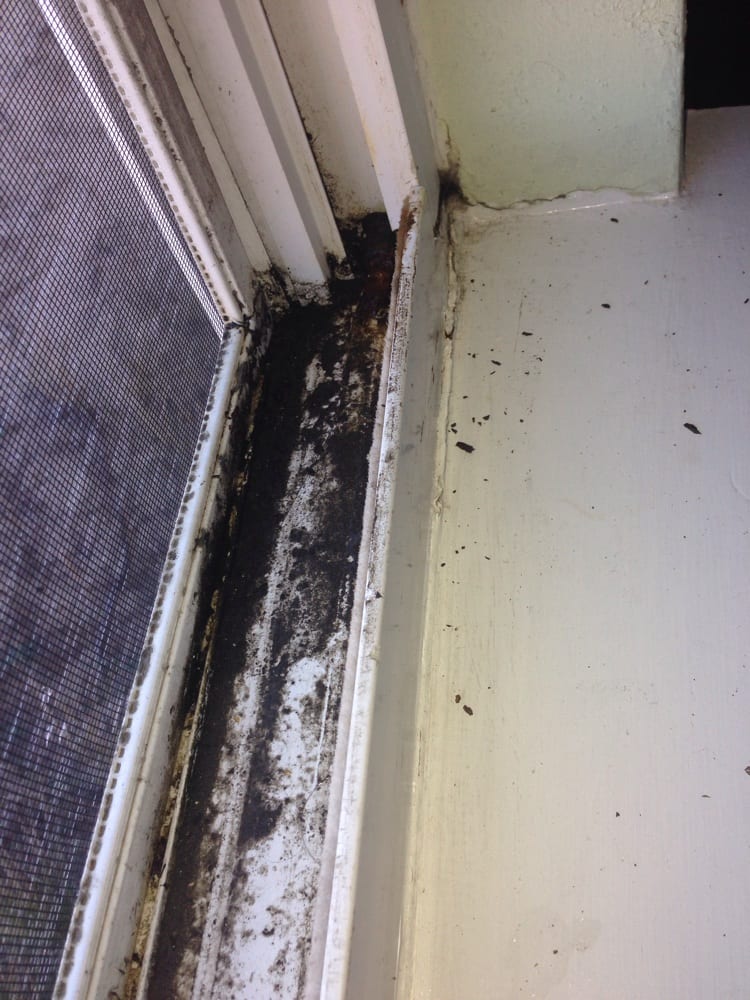
We don’t often spend a lot of time examining our window sills, but they are a prime place for mold to start and spread. Window sills are frequently exposed to moisture from condensation, and they only get decent air flow during the summer months if the windows are open. The dirt that accumulates in the grooves of the sills supply valuable food to spores and they can grow quickly.
To prevent mold in your window sills, be sure to wipe down windows when you see a lot of condensation and clean out the window tracks periodically to remove the mold’s food source.
2. Refrigerator Drip Pans
The pans used to collect condensation for our refrigerators are rarely seen, so they are easy to forget about. There is not a lot of air circulation under the fridge in most homes, and what is out of sight is, usually, out of mind. Sometimes, food from spills collects in there as well. This creates a perfect breeding ground for mold spores.
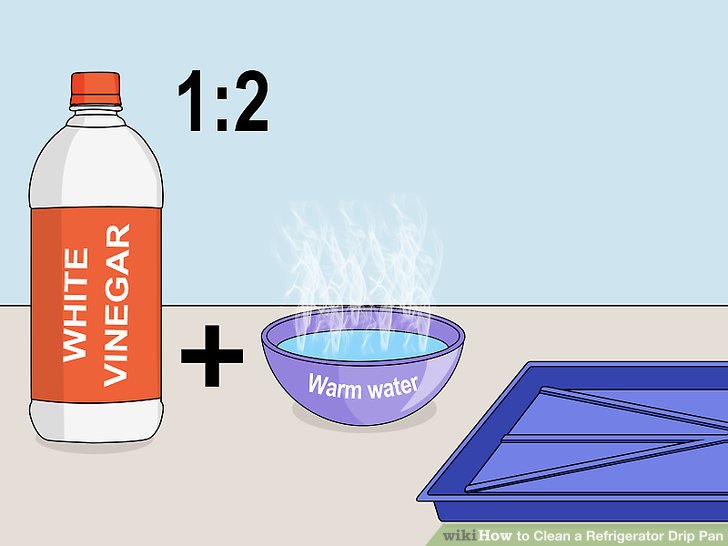
Make a yearly appointment to clean out the drip pan using water and white vinegar. If you notice a lot of mold growth, increase the cleanings to twice per year. Also, use this vinegar and water solution on the flooring below the pan, just in case the mold wants to grow here as well.
3. Wallpaper
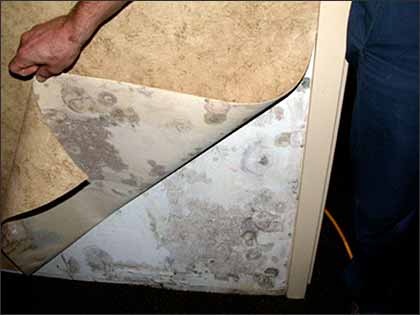
Unless you are removing paper from your walls, you are unlikely to know if mold spores are growing behind it. If the paper is older or has peeling edges, it’s possible mold has begun spreading where you can’t see. If you suspect you might have a mold problem, it’s best to just get the paper removed and replaced. If you know for a fact that there is a great deal of mold behind the paper, don’t remove it yourself. Instead, hire a trained professional to get rid of it and sterilize the area. Only a pro will know how to prevent huge amounts of spores from launching into the air when the paper is removed.
If you want to have decorative paper on your walls, treat the surface first with a mold-resistant primer. Use a high-quality paste to adhere the wallpaper, and be sure to remove all the air bubbles from behind it. Do not use wallpaper in moist areas such as bathrooms or basements.
4. Attics
If you have any sort of water leak in your room, chances are good that mold could be growing in your attic. The dust that accumulates in attics paired with little air flow makes a perfect environment for spores to thrive.
Check your attic periodically for mold and make sure there are air vents to aid circulation to the area. If you have any roof leaks, get them repaired immediately. It is best to regularly have your roof inspected to catch any leaks before then cause a serious problem, Especially after a heavy rainstorm or other harsh weather.
5. Air Conditioners
Again, condensation is the culprit here. In addition, the air that AC units suck in from the outside contains dirt and pollen – attractive materials for mold. Machines that sit without use for long periods are likely to contain mold spores.
Prevent mold by running your air conditioner every day, even if it’s just for 10 minutes. If you have a window unit, remove it and store it in a dry place when not in use, if possible. If you know your AC has mold, either remove it from the window or hire a professional to do so and have the interior cleaned carefully. If your whole- house AC has mold, it’s best to call in a professional to clean it.
6. Washing Machines
The popular front-load washing machines may be great for high efficiency, but they are notorious for off odors as a result of mold growth. The gasket around the door is wet all the time when the washer is running and doesn’t get to dry out, because the door is usually clesed when the machine is not in use. This creates the perfect atmosphere for mold to grow. Below are some ways to help prevent or remove mold from your washing machine:
Either leave the door open after running a load, to let the gasket dry, or wipe the gasket with a cloth when your washing is finished.
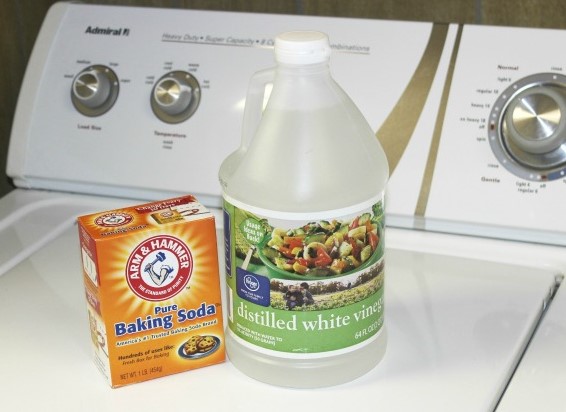
If mold already exists in the gasket, kill it with a hot water and vinegar and baking soda solution, followed by a fungicidal spray.
Regular use of your washer’s recommended washing machine cleaner on the cleaning cycle, will help prevent growth.
Avoid using liquid fabric softeners, as they leave a gummy build up in your washer, which is food for mold.
Remove clothes immediately after the wash cycle has finished.
7. Chimneys
Depending how well a chimney is capped off, it might take in a good amount of water from rain and snow. Plus, it’s likely that leaves and other organic materials are entering the space and this all combines to create perfect conditions for mold to grow. The porous surfaces of bricks and mortar only add to the problem.
To prevent mold growth in your chimney, first make sure the top is covered appropriately. Then it’s best to call in a professional chimney cleaner to remove mold and keep your chmney puffing along at it’s best.
8. Carpets and Pads
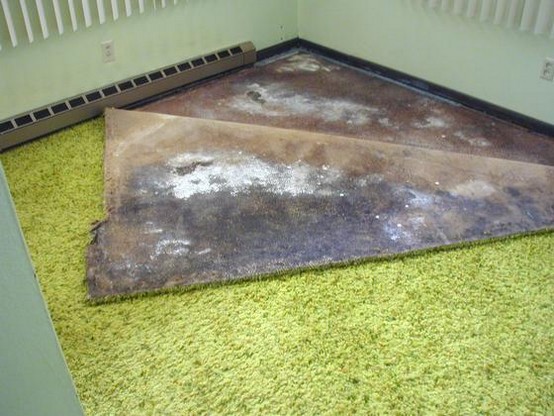
Moisture from concrete floors or wet crawl spaces can easily make it’s way into your carpet pad and eventually the carpet. If you have pets who occasionally have accidents on the carpet, this can increase the potential for mold pores to grow there. If your carpet starts to smell odd or seems damp, unfortunately it might be too late – mold is probably already growing.
The simplest way to prevent mold growth on carpet or padding – regardless of moisture level – is to keep the carpet clean. Dirt, as we’ve discovered, encourages mold growth. By vacuumming at least once per week and having your carpets cleaned periodically, you can prevent mold spores from blooming in your carpet.
Mold is present in most places and sometimes is can make people sick. If you would like to keep your home a healthy space to inhabit, these places should be monitored for potential problems. Fortunately, solutions are simple to achieve with a little diligence and education on what to look for and how to respond.
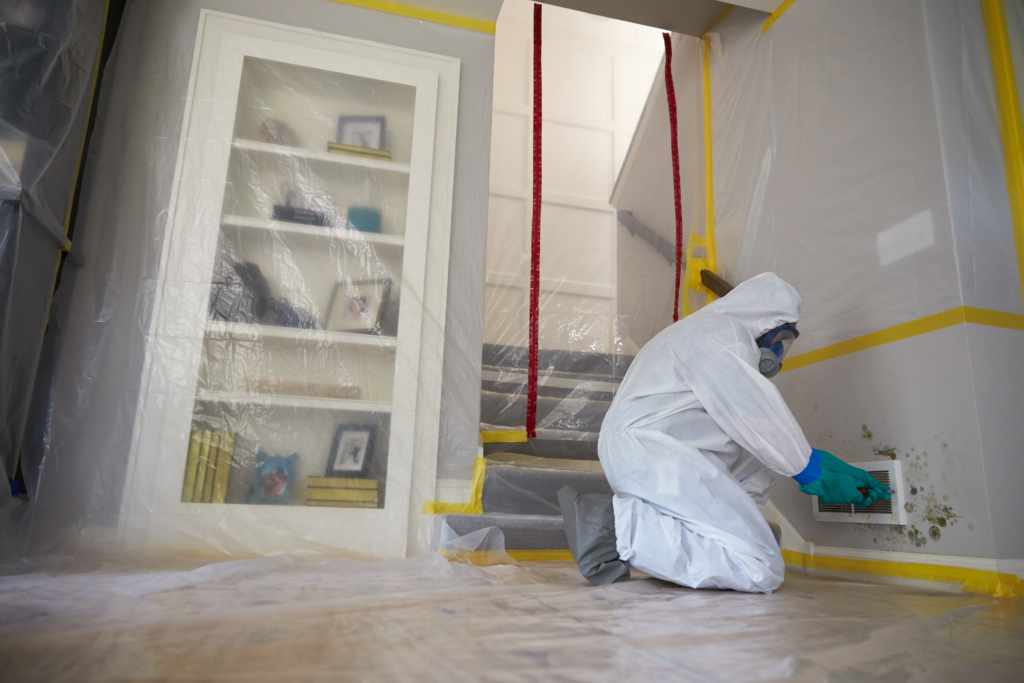
Mold is not something to mess around with. Lurking in dark spaces, destroying your hard-earned property – it’s a serious problem. Mold will often go undetected and unseen. This fungal destroyer can be found in bathrooms, underneath tile, in laundry rooms and even kitchens. Whether you smell it, spot it or just reckon it’s there, here’s why you need to hire a mold removal professional.
Mold spreads fast. Even a little bit of mold is bad news. If the area is wet and dark, the mold will flourish. Once this happens, it’s only a matter of time before the well-being of your home deteriorates. The earlier you call, the easier the resoration will be.
Mold makes allergy symptoms even worse. It you have itchy eyes, a runny nose, a sore throat and fatigue, you may think that your seasonal allergies are back. In some cases though, it could be mold. Once mold is growing, it spreads quickly. The tiny spores can easily be blown around your home, exacerbating your allergies. Calling a mold professional is the easiest way to restore your health and get rid of the problem.
Mold is a huge health risk and can lead to many serious conditions. When inhaled, the spores create respiratory infections and other ailments. If the mold isn’t completely eliminated, these health risks grow exponentially. Hire a professional company to secure your family’s health.
You may not have the professional equipment. Mold is difficult to kill completely. Companies have the equipment needed to eliminate mold from walls, wood, closets, clothes and any other place it may be hiding. With their professional tools, there isn’t a risk of damaging your belongings.
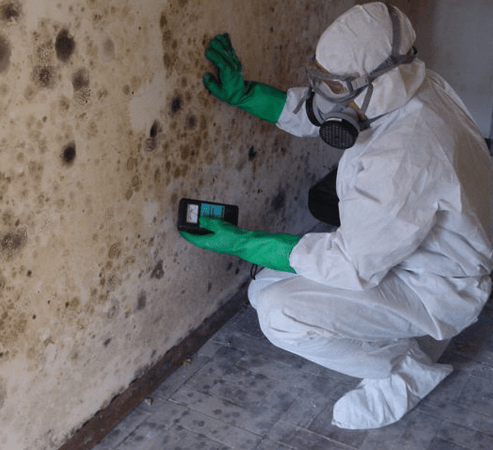
Professional companies know how to detect all mold. Don’t try to DIY when it comes to mold removal. Professional removal services can detect all visible, dormant and hidden molds. Then, using proven techniques, they kill the mold, preventing regrowth.
Sources: Bombmedia. “Why You Need To Hire a Mold Removal Professional.” Web blog post. Cleaning water damage. TSC restoration.
Plumbing issues can lead to sky-high water bills – not to mention major structural damage to your home. A small leak could waste tens of thousands of gallons of water each year and result in much larger headaches. Use these tips to help make regular DIY plumbing inspections all around your home.
Inspect Your Pipes
Look for signs of dripping and corrosion in exposed pipes, such as supply lines for toilets and sinks, as well as lines leading to appliances such as dishwashers, refrigerator ice makers, and washing machines. Leaking fixtures may need replacement parts, such as a new O-ring or cartridge for a dripping faucet or a flapper for a leaky toilet.
Sneak Up On Leaks
Even if you don’t see dripping, you may still have a problem. Wall or cabinet stains, rusty water, cracked or warped flooring and a musty smell are all indicators of plumbing issues.
Focus On Faulty Plumbing
Shutoff valves and copper and brass fittings are the first places corrosion occurs. The likelihood of corrosion is greater if the metals are mismatched, as when galvanized pipes connect directly to copper lines. This should be repaired immediately. But if the pipes are corroded or rusted, have them replaced.
Try The Water Meter Trick
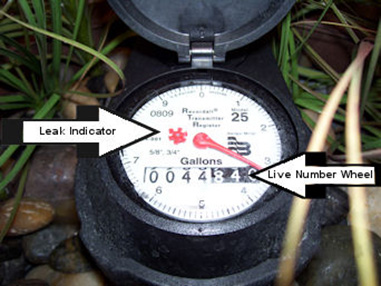
Water meters are great leakage detectors. Note the current level of water usage on your meter, and then suspend all water usage for 30 minutes, making sure all water-using appliances are turned off. Recheck the meter. If the leak indicator is spinning, the dial hand has moved or the number has increased, you probably have a leak.
Remedy The Problems
You won’t have to be an expert to fix small plumbing issues, as long as you feel comfortable and confident taking them on. If you have water damaged flooring and walls, consider hiring a plumbing pro to fix the leak. The replace the damaged areas to avoid mold growth. For major problems or anything you’re unsure how to fix, always call an expert.
Sources: Your Home Plumbing Checkup: Make This a Habit. Web blog post. Simple Insights. State Farm
Mold and mildew are both types of fungi that are commonly found in the home. They thrive in moist enviroments, spread easily, and live on various surfaces which makes them very difficult to get rid of. If left unattended however, the harmful microorganisms can quickly affect large areas of your property and may even result in health problems and structural damage. While the two types of fungi share many common features, they pose different risks and respond to different treatment.
So, in order to come up with an efficient cleaning strategy and ensure the safety of your living environment, you need to understand the difference between mold and mildew.
What Is The Difference Between Mold And Mildew?
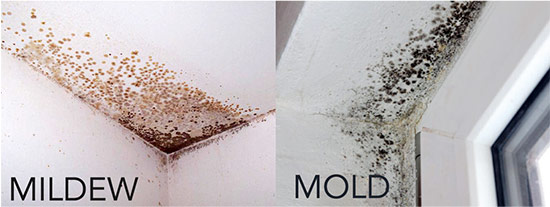
Mildew can be described as a specific type of mold. Mold is a fungus that contains multiple identical nuclei and grows in the form of black or green patches which penetrate beneath the surface of the affected material. Mildew, on the other hand, has flat growth that remains on the surface where it can be easily removed. While mold usually grows on food or inside permanent structures, such as walls and crawl spaces, mildew is to be found on damp surfaces, paper, fabrics and various organic materials in your home.
Common Mildew Types
Primarily, Mildew is a plant disease tha causes great damage to crops and plants. It is classified as powdery and downy:
Powdery mildew mainly affects flowering plants and first appears as white or gray patterned splotches that gradually become yellowish brown or black as the fungus grows.
Downy mildew is commonly found in agricultural products, such as grapes and potatoes. Its appearance varies depending of the type of surface it grows on, but usually downy mildew starts as yellow spots that eventually turn brown.
Common Mold Types
Although the number of mold species that can live indoors exceeds 10,000 according to the latest CDC estimates, most household molds belong to one of the following five types.
Penicillium can be found on various materials that have been in contact with water, including carpeting, wallpaper insulation and mattresses. It looks blue or green and produces strong musty odors. Penicillium spores spread very easily and often result in allergic reactions.
Alternaria grows on walls, in showers, around windows, under sinks and in various other damp places. It is often found in buildings that have suffered some kind of water damage. Alternaria mold can appear black, gray or dark brown and has a wooly or down-like texture. Prolonged exposure to this kind of fungi can cause allergic reaction and asthma attacks.
Aspergillus is the most common type of mold found indoors. It can look gray, brown, yellow, green, white or black. Aspergillus mold usually grows on walls, insulation, paper products, and clothing. It can cause allergic reactions and respiratory infections, as well as inflammation of the lungs in people with weak immune systems.
Unlike many other molds, Cladosporium can grow in cool areas. It usually appears on fabrics, such as carpets or curtains, and on wood surfaces, like cabinets and floorboards. It has a characteristic black or olive-green color and can cause a variety of respiratory problems.
Stachybotrys chartarum, often referred to as “black Mold” because of its color, is the most dangerous kind of household mold – it produces toxic compounds called mycotoxins that can cause severe health problems, such as allergic symptoms, breathing problems, asthma attacks, chronic sinus infections, fatigue and depressions. The toxic black mold has a characteristic musty odor and usually grows in areas that are constantly damp – around leaky pipes, inside air conditioning ducts where there is a lot of condensation, etc.
How To Tell The Difference Between Mold And Mildew?
There are several crucial differences in the appearance and properties of mold and mildew that will help you recognize the type of indoor fungi you have discovered in your home.
Differences between Mold and Mildew in Appearance
Typically, mold appears black or green while mildew looks gray or white. Yet, there are some more detailed specifics in the appearance of the fungi:
Mildew usually grows in a flat pattern and appears either powdery or fluffy. It can be easily identified as a patch of white, gray, or yellowish fungus that is lying on the surface of a moist area. Mildew usually turns black or brown over time.
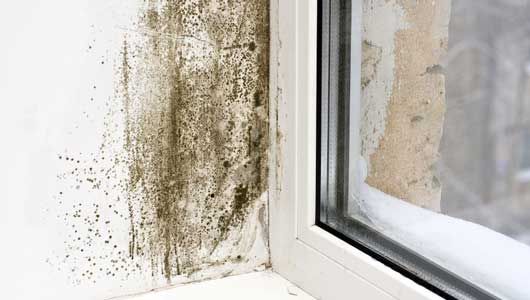
Mold is usually fuzzy or slimy in appearance. It appears as irregularly shaped spots that can different colors – blue. green. yellow, brown, gray, black or white. Oftentimes, surfaces that are covered in mold begin to rot.
Differences in the Effects of Mold and Mildew
Both mold and mildew need to be taken care of in a quick and efficient manner, as they can cause a lot of trouble over time:
Mildew usually affects plants and crops. If it develops indoors, however, it can also pose health risks. When inhaled, mildew spores cause coughing, headache, sore throat, and respiratory problems.
Mold can result in considerable structural damage when left unattended for a long time. Prolonged exposure can cause a variety of health problems, depending on the strain of mold. Common health effects of mold include various allergic reactions (sneezing, skin irritations, irritation of the eyes and throat, nasal congestion etc.) respiratory problems (difficulty breathing, coughing, pneumonia, asthma attacks), heart problems, migraines, inflammation and pain in the joints, dizziness, depression, and extreme fatigue. The mycotoxins produced by black mold are particularly harmful and may have severe long-term health effects, especially in younger kids and individuals with weak immune systems.
Mold and Mildew Testing
If you are not sure what type of fungi you are dealing with, you can have them tested.
Home testing – the easiest way to identify the kind of microorganisms in your home is to drip a few drops of household bleach on the affected area. Wait for about five minutes and inspect the spot.
If it has become lighter, you are dealing with mildew.
If it remains dark, it is mold that has developed in your home.
You can also use various mold and mildew testing kits that are available on the market.
Professional testing – if you suspect considerable mold growth in your property or if you aren’t sure about the best course of action to take, your best bet is to ask for professional assistance. Contact a trustworthy mold removal company in your area for inspection, testing, evaluation and efficient mold removal services that will help you get rid of the harmful fungi in your home.
How To Get Rid Of Mold And Mildew?
If you can prevent mold and mildew in the first place, you’ll save yourself a lot of hassle and headaches.
How to Prevent Mold and Mildew
The most efficient way to prevent mold and mildew in your home is to keep all areas dry and moisture-free. Maintain a humidity level of about 40-50% inside the house (a dehumidifier provides the most advantageous solution for ensuring appropriate indoor humidity), have your heating and cooling systems regularly inspected, keep air ducts clean and in good condition, ensure good air circulation inside the premises, fix any leaks in the bathroom, kitchen or other areas, etc. Remove any mildew-affected plants and weeks as soon as you notice them in order to prevent mildew infestation.
How to Clean Mold and Mildew
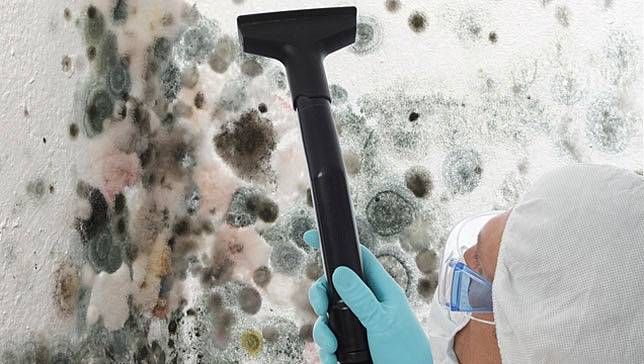
Mildew is a surface fungus that can be efficiently treated with a commercially available cleaner and a scrubbing brush. Just make sure you work in a well-ventilated area and wear a facial mask to prevent inhaling mildew spores, as well as to avoid breathing in fumes given off by the cleaning product you use. It is also advisable to put on rubber gloves in order to protect your hands both from the mildew and from the cleaning agent. Clean all the surrounding areas carefully as well, to ensure that all the fungi have been successfully removed.
Mold, on the other hand, attaches to the affected materials with microscopic filaments that penetrate beneath the surface. The mold spores spread very easily and can survive in extreme conditions, so they can quickly affect large areas of you property and result in permanent damage. Moreover, despite its characteristic musty smell, mold is only visible to the eye when the colonies start growing, so early detection and prevention is very difficult. Worst of all, mold can have a very negative impact on your health, so DIY removal attempts are not recommendable. Besides, DIY remedies are rarely efficient because the fungus usually grows in areas that are very difficult to access and to treat.
The safest and most efficient way to get rid of a mold problem is to call a mold remediation company. An experienced professional will come to your home to assess the situation and determine the type of mold or mildew in your property, as well as the extent of the damage. Then, the most appropriate actions will be taken to remove the harmful fungi and prevent its appearance in the near future. The experts will help ensure not only the safety of your living environment, but also your peace of mind.
As the clock winds down towards the New Year, we all begin ticking off our lists for our New Years resolutions. The usual suspects of losing weight, going to the gym more or finally getting in shape will always make their appearance on that list, only to fall by the wayside as life gets busy. This year, why not try a new approach? Add to that list some things that will make your home healthier, possibly save you some unexpected stresses (financial & health) in the long run. We’re going to run down some resolutions that can be made for your home all year long to keep your life, health and family running smoothly.
1. Seasonally (or every six months), have your heating or air conditioning inspected and serviced.
2. Inspect and repair all caulked areas: Sinks, faucets, tubs/showers, windows and doors, all penetrations (fireplace, chimney, ducts, vents). Do this twice a year.
3.Look for plumbing leaks and clean your faucet aerators of lime deposits.
4. Check for and repair damage/cracks to the interior and exterior walls of your home.
5. Clean and repair your homes gutters seasonally. Ensure they are free of debris that could inhibit water flow to downspouts. Make sure your water deflectors at the base of downspouts are directing water away from your home’s foundation.
6. Extend the life and good condition of your water heater by flushing your hot water heater and refilling. Do this annually or more often, depending on the hardness of your areas water. It is a good idea to test your hot water heater safety valve, as well.
Inspect all fire extinguishers and test and change the batteries in your smoke detectors. Create a family fire evacuation plan. Ensure everyone knows how to exit and where to meet outside.
Adding these (or even a few) to your resolutions for the New Year may put you on the road to New Years Resolution success! Make the safety of your home and family a part of your focus for the year 2020.