Don’t Forget Your Pets!

Just like other members of the family, pets need to be part of your disaster plan. If you must evacuate, do you know if pets are allowed where you’re planning to stay? If you’re staying home, what will your pet need if your family must survive with basic necessities after the storm? If you evacuate during a storm make sure the host home, shelter or hotel where you’ll be going accepts your type of pet. Some hotels have emergency policies to take pets in an evacuation. Don’t assume they will always accept your type of pet. Always call in advance to make sure.

Preparation Tips

  • Plan for your pet well in advance if you live in an evacuation area. Write down your plan or create a check list.
  • Take your pet when you evacuate.
  • Know your evacuation route and when you will evacuate.
  • Ask friends or family living outside of evacuation areas if they can keep your pet.
  • Make sure you have a collar and leash for keeping your pet under control.
  • Keep a pet carrier (portable kennel) for each pet – one that allows your pet to stand and turn around. The carrier should be marked with your pet’s identification.
  • Make sure all your pet’s vaccinations are current and have proof available of its current county-issued rabies vaccination.
  • Pack supplies for your pet.
  • If you must use a kennel as a last resort, make sure it is not in an evacuation zone and reserve space as soon as possible. Kennels require proof of vaccinations.

Pet Plan & Supply List

  • Keep current vaccination records.
  • Take a photo of your pet with you.
  • Download your county’s pet identification form, tape it to your pet’s kennel if your pet will be sheltered apart from you.

Things to Pack

  • Identification
  • Immunization records
  • County rabies tag
  • Food & water with bowls (two-week supply)
  • Carrier or portable kennel
  • Muzzle, collar, leash
  • Medications
  • Toys, blanket
  • Cat litter, pan & scoop
  • Plastic waste bags
  • Disinfectant
  • Paper towels

After a storm, stray animals will be collected and taken to temporary collection sites and then transferred to more permanent sites. If you lose your pet, look in the area around your home and call animal services.
Home Hacks to Withstand the Worst

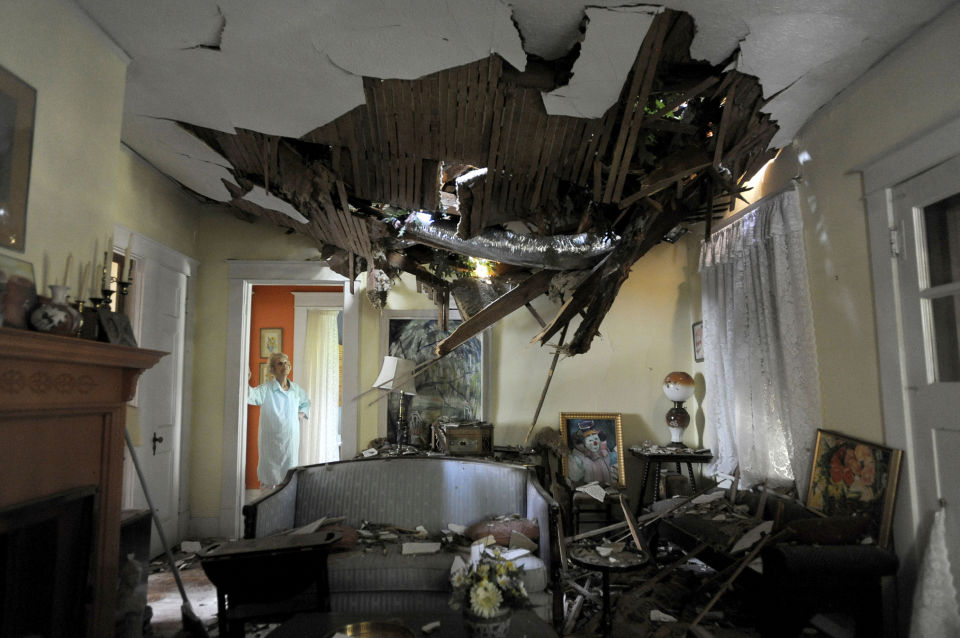
From hurricanes to tornadoes, to an underestimated amount of rain, sever weather can seriously damage your home.

According to the Insurance Information Institute, Superstorm Sandy caused $18.75 billion in insured property losses, and that’s excluding flood insurance claims covered by the US government. In the last five years floods have affected all 50 states. Around 20% of all flood insurance claims came from low-risk areas. In 2014, the average flood claim was more than $29,000.

When a hurricane or other severe storm results in flooding or structural damage to your home, the results can be catastrophic. But you can avoid many future headaches by making small changes. Here are four household hack to make your home sweet home safer against the next big storm.

Know Your BFE

A key factor in keeping your home safe from flooding is knowing your BFE (Base Flood Elevation). According to Disastersafety.org, that’s the elevation at which your building has a one % chance of flooding annually. You should build your home at at least three feet above BFE to minimize risk. Additionally, make sure your electrical outlets are 12 inches above the BFE to avoid outages during a flood or fire from a short circuit.

Trim Extra Branches

Trees crashing into homes are not uncommon during hurricanes, but you can reduce the risk of this happening to your home. You don’t need to get rid of all the trees on your property, but some maintenance will do the trick. according to Indiana.gov, homeowners should trim branches that are weak or overhanging to reduce the number of limbs that could break and cause property damage.

Be Prepared to Make Shutters

The last thing a homeowner wants to do when a hurricane hits is to have to rush to a home supply store to purchase plywood for emergency shutters. Instead, have materials at home so you’re prepared. Cut the plywood to fit your window, ready a drill and drill bits and be prepared to put those shutters up if needed. The Federal Alliance of Safe Homes has a full set of instructions.

Do Your Homework on Flood Insurance

The most important way to be prepared in case of a flood is to be insured. Many homeowners wait until it’s too late. According to FEMA, most home insurance plans do not cover flood insurance. Plus, flood insurance takes a month to go into effect after the premium has been paid, so get insured pronto!

Source: Weather Safety – Home Hacks to Withstand the Worst – Blog – The Weather Channel

9 Ways to Prevent Mold

Mold. The very word is enough to make a person cringe.

Yes, mold can be good – it’s essential in making cheese and penicillin for example, and necessary for the decomposition of organic matter in nature – but it can also be unbelievably bad, especially when it grows undetected in your home. Mold spores spread easily and cannot be completely eradicated. Mold can grow anywhere: on carpet, clothing, food, paper and even in places you can’t see. Such as, the backside of drywall, areas inside walls around leaking or condensing pipes and above ceiling tiles. Not only is a mold problem difficult and costly to fix, but mold can also produce allergens and irritants (and rarely, toxins) that may compromise your health.

So, what can you do if you’re concerned about mold growing in your home? The best approach is preventing mold before it becomes a problem. The key to mold prevention is simple: Moisture control. Here are nine ways to curb moisture indoors and the mold that thrives on it.

  1. Identify problem areas in your home and correct them – You can’t mold-proof you home, but you can make it mold-resistant. Do an audit of your home: Where are the problem areas? Does the basement flood? Do you notice frequent condensation on an upstairs window? Is there a water stain on the ceiling from a persistant leak? Preventing mold from growing or spreading might be as simple as ripping up carpet in a damp basement, installing mold resistant products or repairing damaged gutters. Or it may be a matter of major excavation and waterproofing. Whatever the case, address the problem now. It might cost some money up front, but it will surely be more costly down the road if mold continues to grow unchecked.
  2. Dry wet areas immediately – Mold can’t grow without moisture, so tackle wet areas right away. Seepage into the basement after a heavy rainfall, accumulation from a leaky pipe, even a spill on the carpet should be dried within 24 to 48 hours. If you’ve experienced a flood, remove water-damaged carpets, bedding and furniture if they can’t be completely dried. Even everyday occurrences need attetion: Don’t leave wet items lying around the house and make sure to dry the floor and wall after a shower. Don’t leave wet clothes in the washing machine where mold can spread quickly. Hang them to dry – preferably outside or in areas with good air circulation.
  3. Prevent moisture with proper ventilation – It may be that your routine domestic activities are encouraging the growth of mold in your home. Make sure an activity as simple as cooking dinner, taking a shower or doing a load of laundry doesn’t invite mold by providing proper ventilation in your bathroom, kitchen, laundry and any other high-moisture areas. Vent appliances that produce moisture (clothes dryers, stoves) to the outside, not the attic. Use AC units and dehumidifiers, especially in humid climates, but make sure they don’t produce moisture themselves, by checking them periodically and cleaning them as directed by the manufacturer. Your energy-efficient home may be holding moisture inside, so open a window when cooking, washing dishes or showering, or run an exhaust fan.
  4. Equip your home with mold-resistant products – Building a new home or renovating an old one? Use mold-resistant products like mold-resistant drywall or mold resistant sheetrock and mold inhibitors for paints. Traditional drywall is composed of a gypsum plaster core pressed between plies of paper. Mold-resistant drywall is paperless – the gypsum core is covered in fiberglass, making the surface highly water-resistant. Moisture-resistant drywall is especially valuable in areas prone to wetness, such as bathrooms, laundry rooms, basements and kitchens. Not only is traditional drywall more susceptible to mold than the paperless kind, but it is also difficult to rid of mold, and removal and replacement can be expensive. Mold-resistant gypsum board is also available; the core of the drywall is developed in such a way to prevent moisture absorption, and this prevents mold growth.
  5. Monitor humidity indoors – The EPA recommends keeping indoor humidity between 30 and 60 percent. You can measure humidity with a moisture meter purchased from your local hardware store. You’ll also be able to detect high humidity by simply paying attention to potential problem areas in your home. Telltale signs of excessive humidity include condensation on windows, pipes and walls. If you notice condensation, dry the surface immediately and address the source of moisture (for example, turn off a humidifier if water appears on the inside of nearby windows).
  6. Direct water away from your home – If the ground around your home isn’t sufficiently sloped away from the foundation, water may collect there and seep into your crawlspace or basement.
  7. Clean or repair roof gutters – A mold problem might be a simple matter of a roof that is leaking because of full or damaged gutters. Have your roof gutters cleaned regularly and inspected for damage. Repair them as necessary and keep an eye out for water stains after storm that may indicate a leak.
  8. Improve air flow in your home – According to the EPA, as temperatures drop, the air holds less moisture. Without good air flow in your home, that excess moisture may appear on your walls, windows and floors. To increase circulation, open doors between rooms, move furniture away from walls and open doors to closets that may be colder than the rooms they’re in. Let fresh air in to reduce moisture and keep mold at bay.
  9. Keep mold off houseplants – They’re beautiful and help keep your indoor air clean, and mold loves them. The moist soil in indoor plants is a perfect breeding ground for mold, which may then spread to other areas of your house. Instead of getting rid of your plants, try adding a bit of Taheebo tea to the water you give your houseplants. The oil of this tree, which withstands fungi even in rain forests, helps hinder mold growth in plant soil and can be found at natural food stores.

Finally, educate yourself on your region’s climate – be it the cold and wet Northeast, the hot and wet South, the hot and dry Southwest or the cold and dry West – and how it responds to moisture. There is no one-size-fits-all first step.

Source: How to Prevent Mold: 9 Tips – Heidi Hill – Blog – TreeHugger

What to Know About Flood Damage

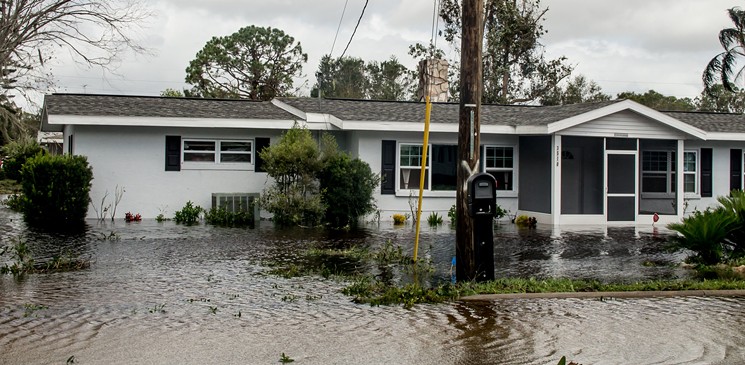
Flooding is a serious threat. Flood damage can lead to severe damage to property and human life. Houses, cars, commercial establishments, basements are all potential candidates for flood damage. Flooding has an unpredictable nature, reason for more concern if you live in a high risk area. Flooding usually has natural causes. This is common for storms and hurricanes that constantly prey on its path. Water is a force that is hard to stop. However, flood damage can be minimized by being prepared and paying attention to news updates.

Minimizing Flood Damage

Flood damage is at a maximum when you are unprepared or unwilling to take the necessary actions. Elevating electronic equipment, cars and furniture should be the first action during the flooding, but always think of safety before beginning to salvage any property. After the flood, water disposal and drying of soaked materials should minimize damage. Always remember that any water damage requires immediate attention. This is because water damage pregresses with time, requiring attention every time it hits.

Immediate and Seconday Flood Damage

Flood damage may be categorized as immediate and secondary. Immediate flood damage may be best explained as deformed or warped floorboards and walls, unusable electronic equipment, broken furniture and wet documents. Immediate damage can be minimized by turning off water immediately. This can also be done by elevating objects above the flood level or by simply washing out water from surfaces to avoid discoloration, especially for good furniture.

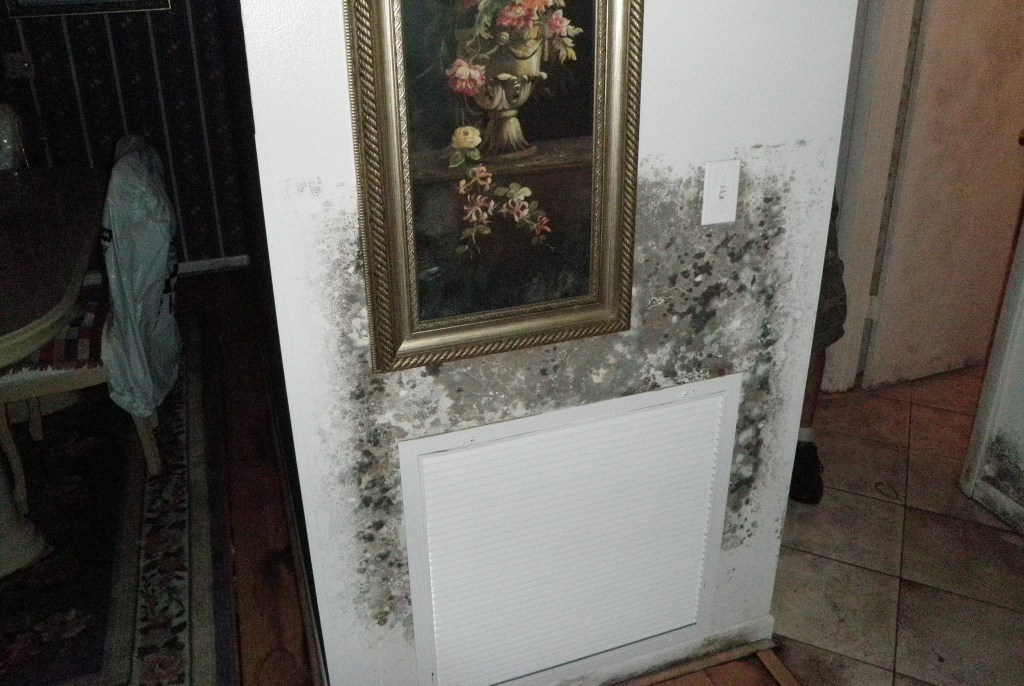
Seconday damage may be considered an after effect. This damage is a result of undisposed water after the flood. The most prominent form would be mold infestation. Mold can be a huge heatlh risk, not to mention the acrid smell it produces. Mold thrives in humid areas where water and moisture exists. Quickly drying materials soaked in the flood will help control secondary flood damage.

Flood Damage: Getting Help

Flood damage can be nulified with the help of professional service providers. Specialization is greatly required with this scale of damage. PRS of Tampa Bay aids in any water or flood restoration projects. A team of experts from PRS has the capability to provide fast restorations. Complete with certifications for mold remediation, water and flood damage control and structural repairs. PRS is a one stop shop.

Flood Damage: Insurance

Always make sure that you are covered with insurance. This is also to say that always contact your insurance provider when flood and water damage is sustained. It is best to know your coverage and to have a cost assessment and restoration appraisals before you barge in with the activities.

Source: 5 Things You Need to Know About Water Damage – Lisa Appel – Blog – Porch

House Fire Clean Up

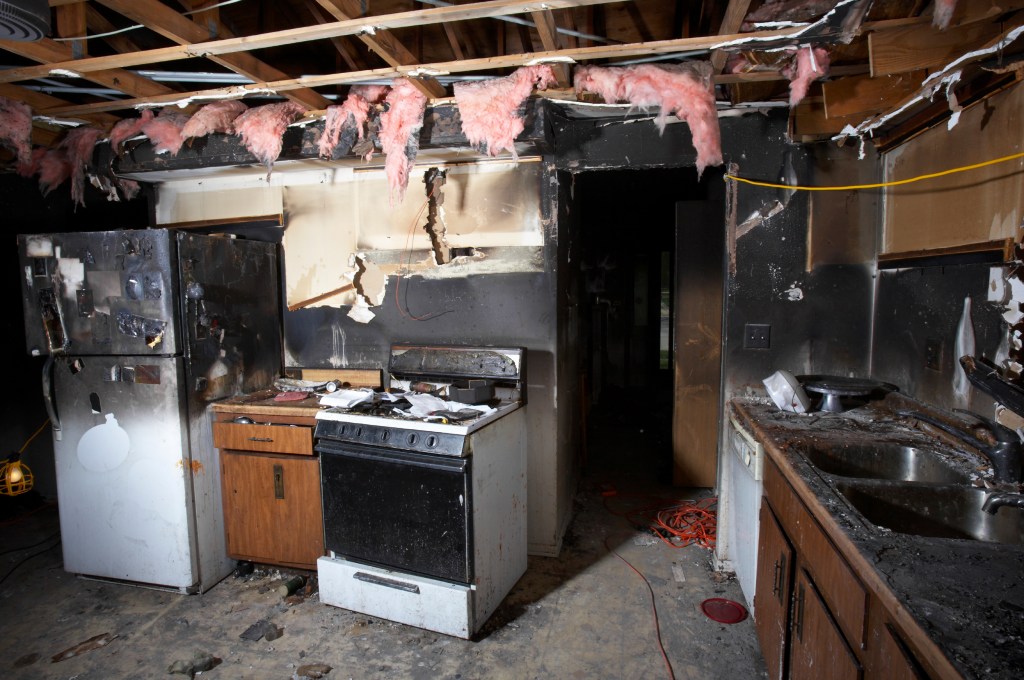
ktichen destroyed by fire.

When a disaster like a house fire happens, you may not know what to do next. Who do I call? Where do we go? What do I do now? These questions bay be among the many thoughts running through your mind. Home and business owners may be in shock from the initial devastation. It is important to try and follow the proper steps to achieve a complete fire restoration. Service providers that are associated with the Institute of Inspection Cleaning and Restoration Certification (IICRC) will have the following distinctions: current training, safety and health certification, vast amounts of experience in restoration projects and the proper licenses and insurance information.

The first step in the process is to clean up as much of the existing area as possible. If the area is not immediately cleaned, soot residue and permanent damage can be left behind. If the home or business owner does the initial cleaning it is importnat to follow these steps. When cleaning, always use dust masks and open the area for proper venitilation. Clean from the ceilings to the floors and vacuum all floors and upholstery. Wash any items that can be laundered. Clean the outside with a pressure washer if available.

If immediate clean-up is not done, it can lead to devastating effects. Within minutes of fire and smoke damage, appliances and many items will discolor to a yellow hue. After a few hours, acid will stain bathrooms and many other areas of the home or business. Within days, walls will discolor permanenetly, and items will begin to rust, due to the acid residue. Finally, after weeks the cost of clean up will become substantially more expensive. The building and furnishings can be permanently damaged by the acid left behind. Soot residue will be layered throughout the home or business. For these reasons, it is vital to contact a professional associated with the IICRC, such as PRS of Tampa Bay, to utilize fire restoration techniques to return the home or business to a pre-loss state.

Here are some good fire safety tips to prevent future house fires.

  • Stay at least three feet away from heating equipment, such as the furnace, fireplace, wood stove or space heater.
  • Have a three foot “kid free zone” around open fires.
  • Never use your oven to heat your home.
  • Have a qualified professional install stationary space heating equipment, water heaters and central heating equipment according to local codes and manufacturer’s instructions.
  • Have heating equipment and chimneys cleaned and inspected every year by a qualified professional, as dust, creosote and even small animals can block the flue.
  • Turn off portable heaters when leaving the room and before going to bed.
  • Use the fuel specified by the manufacturer for fuel burning space heaters.
  • Make sure wood fireplaces have a sturdy screen to stop sparks from flying into the room. These screens also help keep small children and pets at a safe distance.
  • When cleaning your fireplace, make sure the ashes are cold before disposing of them into a metal container, a safe distance from your home.
  • As always, test your smoke alarms every month.

Source: https://www/iicrc.org

A Flood Can Affect Your Health

While a flood event can be dangerous and destructive, the moisture left behind can be harmful , as well. For this reason, it’s important to contact a water restoration company right away if you need emergency extraction. The water is not only harmful for your house, but for your own health.

Bacterical Infections

When water floods your home, it is essential for you to realize that the water is not sterile and is likely to contain harmful bacterial organisms. For this reason, if you have any cuts or scratches, then it is important to protect them from contact with the flood water. To avoid becoming infected with any range of bacterial infections that can be acquired from flood water, immediately clean and disinfect any wound that you sustain in a flooded area, and seek medical attention if you develop a fever or if the wound becomes painful and swollen.

Mosquito-Borne Diseases

Following a flood, the moisture left behind often creates an ideal breeding ground for mosquitoes. These blood-sucking insects can infect people with a number of diseases, so controlling their population is important in these situations. Walk around your property and dump out any containers that hold even a few ounces of water. Also, speak with your neighbors and encourage them to do the same.

Mold Growth

Finally, one of the most common problems seen by water cleanup companies following a house flood is mold. Like most types of fungi, mold thrives in environments that have little airflow and abundant moisture. Because of this, a few mold spores can quickly grow into a significant problem if you have home or basement water damage. When left untreated, mold can affect the value of your home and damage your belongings. More importantly, mold can have a significant impact on the health of your family and lead to wheezing, eye irritation, coughing or more severe symptoms. For this reason, removing any excess moisture from your home after a flood should be considered essential for protecting the health of your family.

Source: Mold After Flooding Could Pose Health Risk, Cause Respiratory Symptoms – Blog post – The Huffington Post

Mediation For Denied Insurance Claims

Three hands holding pink, yellow & blue puzzle pieces with text "talk, listen, resolve.

A new rule has been put in place by the State of Florida Chief Financial Officer, that expedites the fair and timely handling of residential property insurance claims. The new rule allows you (the insured) the right to take part in a mediation forum with your insurer, to negotiate any dispute you have with your insurer about your claim. The date of notice gives the parties 21 days to work out the issue before arbitration can be scheduled.

Mediation is the practice of a neutral third party helping negotiate an outcome that is amenable to both parties involved. Mediation is non-binding, meaning there is no legal requirement to accept the results. The mediation program was created by the Florida Department of Financial Services (FDFS) to facilitate contested residential property damage claims over $500, precluding the deductible.

A non-partisan mediator, who will be selected by the FDFS, will oversee the meeting. The mediator may be removed at any time, by either party, with good cause. This good cause can be a conflict of interest sited by either party, incompetence in handling the arbitration, or other reasons that could undermine the fairness of the meeting. Mediation takes place in a neutral location determined by the mediator.

For more information regarding insurance claims handling and mediation:

Department of Financial Services

Mediation Section

Bureau of Education, Advocacy and Research

200 East Gaines Street

Tallahassee, FL 32399-4212

Phone: (877) 693-5236 Fax: (850) 488-6372

Protecting Your Home Against A Hurricane

Anytime a hurricane approaches the coast you’re likely to see scenes of people wasting their time and energy “preparing” for the storm. In fact, you might have seen these images so often that you think the folks shown are doing the correct thing.

If a hurricane is approaching, forget about:

  • Rushing to a building supply store to buy plywood for your windows
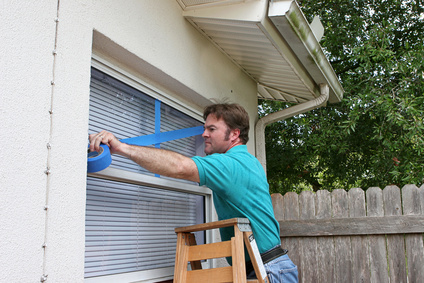
  • Taping up your windows

If your house is in danger of being hit by a hurricane, protecting windows and sliding glass doors is almost always the number one thing you can do to ensure you’ll have a livable house if the worst happens. But, if you wait until a hurricane watch is posted, you are almost surely too late.

man on ladder taping a window with blue tape for a storm

Taping up windows is a waste of time, because tape isn’t going to keep your neighbor’s garbage can – which he should have stashed in a place where the wind can’t grab it – from breaking your window when a 100 mph wind flings it at your house. True, the tape just might keep the glass from flying around the room when the garbage can hits it, but an important rule for any windstorm is to not be in a room with windows that can be broken. If your house doesn’t have a windowless room, you should at least do something like cowering behind an overturned table or a heavy sofa in case glass starts flying. If you waste time taping your windows, about the best you can hope for is that the storm will miss your house and the tape won’t be too hard to remove.

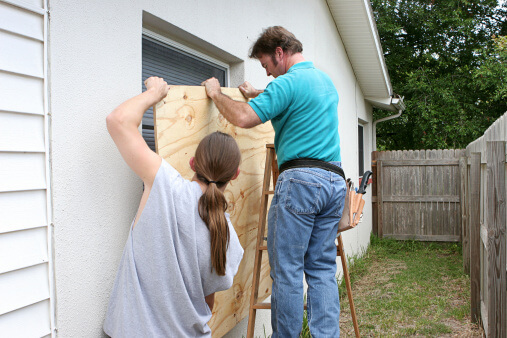
Two men, one on a ladder - the other on the ground, hanging plywood panel on a window for a storm.

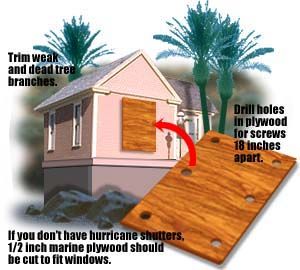
While tape doesn’t do much, heavy plywood or metal shutters are vital. But you can’t wait until a storm is bearing down to go buy the plywood, because by then it’s probably too late. This is because the plywood must fit the windows and it must be firmly attached to the surrounding walls. Experts recommend using 3/4 inch plywood and drilling screw holes 18 inches apart all around it. Are you going to have time to do this after a watch is posted? This is the kind of thing that should be done well ahead of time, so the window covers will be stored with screws started, and everything you’ll need to install them, such as a ladder and the correct size screw driver handy. The big question you must answer ahead of time is: Who’s going to install the plywood covers, maybe with 20 mph wind gusting to 30 mph, as a storm approaches? It’s probably a sure bet it’s not going to be your 70 year old mother, by herself.

Why is protecting windows so important?

Once a window is broken, the wind blows inside , to not only wreck the interior, but also to apply upward pressure on the roof, which might be enough to send it flying. If this happens, the walls will collapse, and your house is gone. Protection can include impact-resistant glass or other permanent materials that have passed the state of Florida or Miami-Dade County (FL) impact standards tests, sturdy shutters or pieces of marine plywood, marked and cut to fit each window and glass door.

Illustration of preparing a house for hurricane with text: trim weal and dead tree branches, drill holes in plywood for screws 18 inches apart & if you don't have hurricane shutters, 1/2 inch marine plywood should be cut to fit windows.

Here are some other things you should do before a tropical storm or hurricane watch or warning is posted:

  • Remove weak and dead trees or tree limbs on your property.
  • Know whether your home is in a zone that could be flooded by storm surge, meaning you have to evacuate.
  • Have plans for where you will go if you evacuate, when you will leave (maybe early to avoid traffic jams), and how family members will contact each other.
  • If you might have to evacuate, have a”go bag” ready with important papers, such as your homeowner’s insurance policy and prescription drugs.
  • If you live outside possible storm surge zones, and your house is sturdy, you should plan on riding out the storm in a “safe room” inside the house.
  • Have an evacuation or survival kit ready with nonperishable food, water, a first aid kit and other things you’ll need.
  • Have a battery-powered radio, maybe a battery-powered television set for keeping up with the latest advisories.

After a watch is posted, you should have done all the things listed above. You should stay tuned to forecasts and possible warnings. If you are in an area that could be flooded, you should be ready to evacuate. Of course, if you live in a mobile home or a house that isn’t sturdy enough to stand up to the wind, you should evacuate early and avoid the rush.

Source: Protect Your Home Against a Hurricane, Without Wasting Time – blog post – Jack Williams – USA Today, June 2, 2005.

Dryer Lint Danger

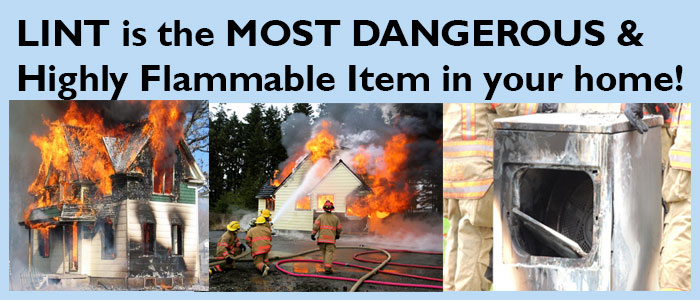
(text) Lint is the most dangerous & highly flammable item in your home! 
three images below text show house on fire, firemen spraying burning house & a dryer that has been burned out.
Photo courtesy of Ductsunlimited.cahttp://www.ductsunlimited.ca/uploads/8/7/3/9/87390002/published/downloadsfadag.jpg?1485902104

Did you know that by not cleaning your dryer exhaust vent you run the risk of destroying your home? Truth! It is the leading cause of dryer fires. According to the National Fire Protection Agency survey. Americans experienced upwards of 16,000 dryer fires between 2010 – 2014. Lint accumulates in dryer vents and ducts and it is highly flammable. Dryer vents should be inspected and cleaned annually. If your household does a lot of laundry, they should be cleaned at least three times a year.

Tips to look for when it’s time for a cleaning:

  • Clothes take longer to dry
  • The dryer’s external cabinet is hotter than normal to the touch

How to Inspect & Clean:

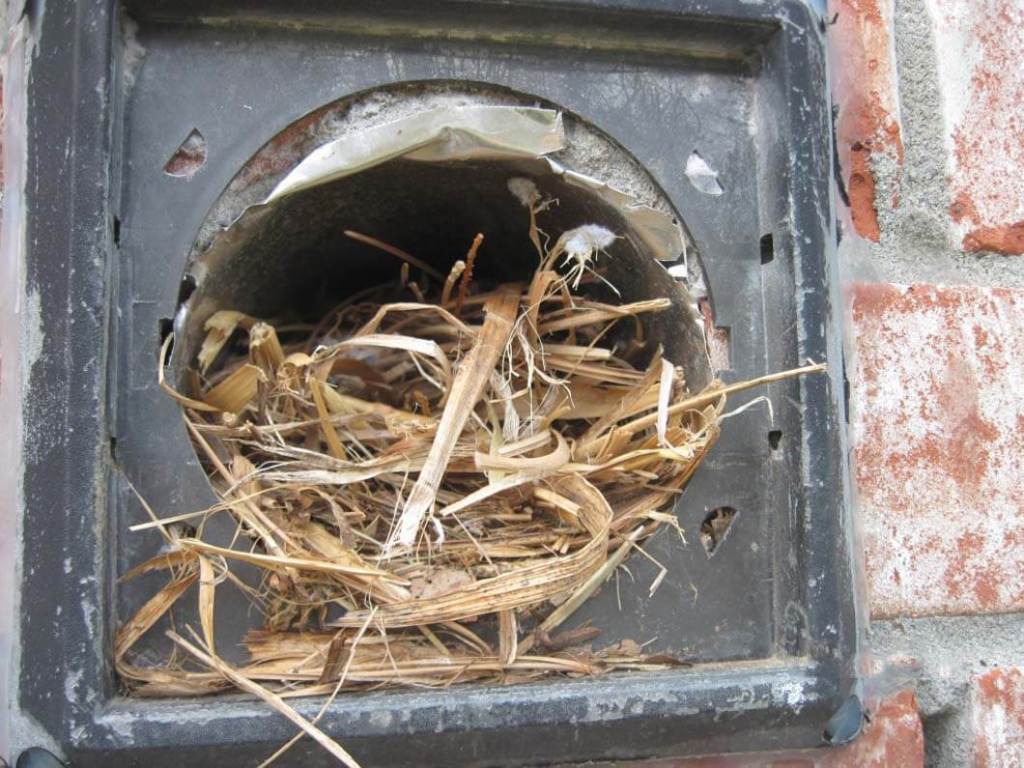
  1. Check the outside vents for obstructions – nest, lint build up and debris left by animal life.

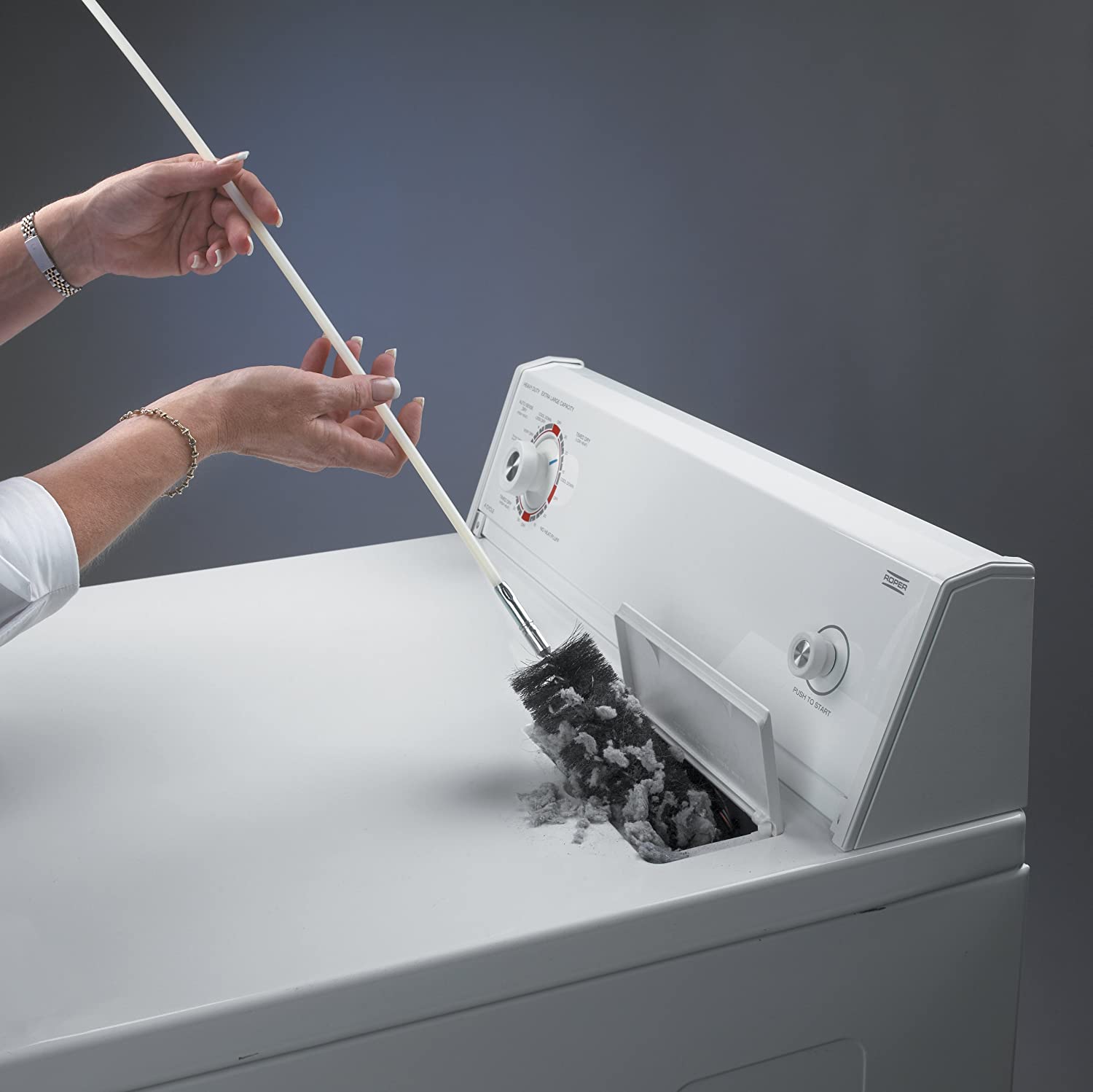
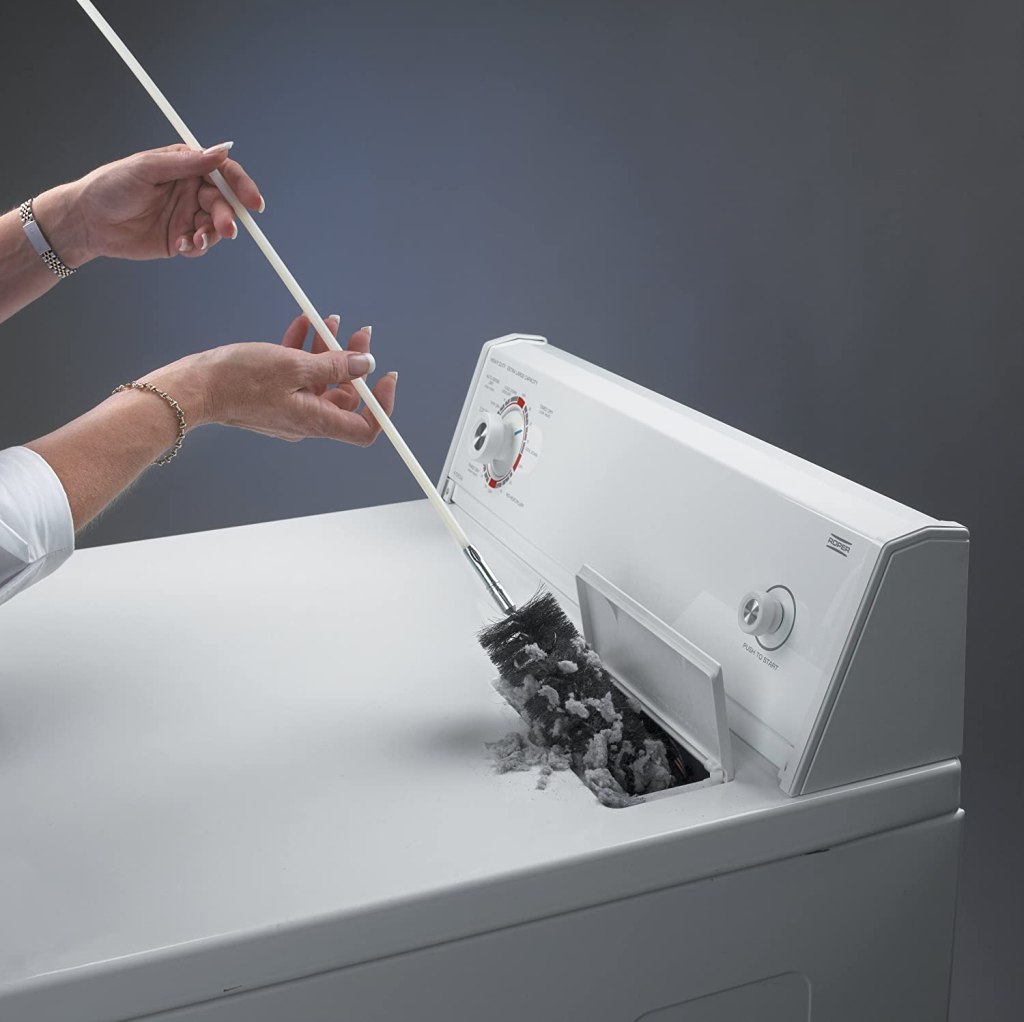
2. Clean the lint screen following every cycle. Use a long flexible brush to clean down inside the body of the dryer. An air compressor may blow the lint out or a combo vacuum cleaner with a brush attachment if the hose is long enough. It is important to remove the lint from the entire length of the vent.

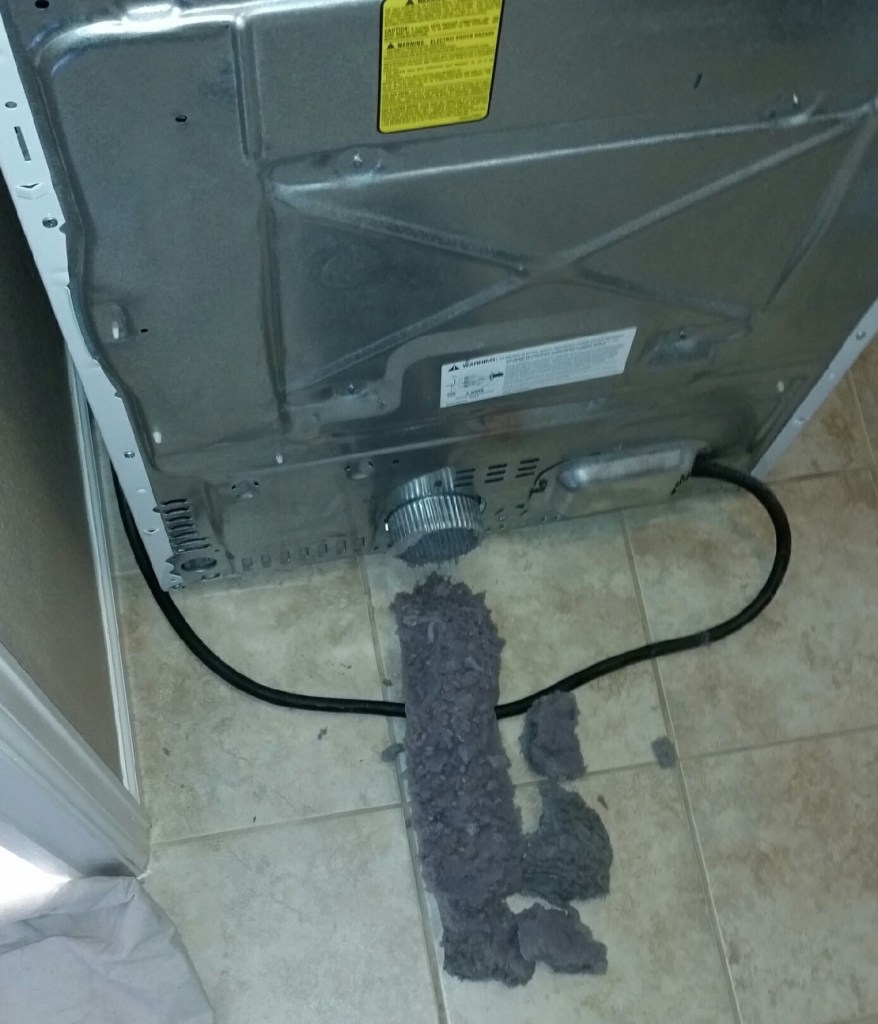
3. Remove dust from behind the dryer, as well as the floor, including the space beneath the dryer and the back of the dryer itself. The air intake comes from the back of the dryer, so any dust left back there will be pulled into the dryer causing more lint to build up.

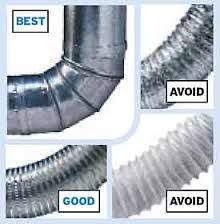
4. Don’t forget to clean out or replace the duct work leading from the dryer to the outside vent. It is suggested to use a folded, semi-rigid metal duct in lieu of foil ducts, because it supports the highest air flow. Never use white vinyl or plastic ducts as dryer vents.

It’s an even better idea to have your dryer vents inspected and cleaned by a professional occasionally. A professional can ensure that your vent & duct work is cleaned thoroughly and make sure your venting system is working at its best.

Protect Yourself from Storm Repair Scams

We are two months into the six month hurricane season and – knock on wood – we’ve had uneventful storms, despite the recent passing of the sixth named storm. That being said, September tends to be the busiest and most dangerous month for hurricane season, so we can’t let down our guards. Forecasters have raised the number of named storms from 19 to 20 for the 2020 season and we still have a long way to go before the end of November. We will eventually face a hurricane somewhere along the eastern or gulf coasts.

So, while we continue to prepare and wait, take time to think about how you will approach clean up and repairs after a storm. When a storm passes through, it can leave a mess behind, as well as repairs that need to be performed on your home. Don’t be taken in by repair scams because they can leave you out of money and still in need of repairs. Learn how to recognize common red flags of fraudulent contractors, so you can avoid home repair scams. Here are some possible signs of a scam contractor:

  • Door-to-door solicitations
  • Hesitant to give quotes or estimates in writing
  • States they have materials left over from a finished job in the neighborhood
  • Accepts only cash or asks you to pay the job upfront before work begins
  • Wants you to apply for the building permits
  • Urges an immediate decision
  • Offers guarantees that are too good to be true
  • Asks/demands you to finance work through their own lender
  • Displays no local business phone number & is slow to provide license/insurance documentation

A reputable contractor is required to display their license numbers(s) and local business phone number on their business cards, vehicles, contracts and any other business related materials. If they do not have a local phone number or only an 800 number, they are most likely “storm chasers” and are not licensed to work in your area. Don’t take their work for it if they say “look me up on Sunbiz”. That will only show that they have created a business name, it does not mean they are a legitimately licensed and insured contractor. An accredited contractor will gladly provide copies of licenses and proof of liability/workers comp insurance documentation. It is also reasonable to verify those licenses with DBPR (in Florida) or your county/state licensing boards. Here are some suggestions to follow when determining which contractor to work with:

  • Get endorsements from family, neighbors, friends or your insurance agent.
  • Obtain estimates, for the exact job specifics, from several contractors, in writing. find out what their estimation costs are, before asking them to do an estimate of the work.
  • Do comparisons of at least three contractors and verify that they are all licensed and insured. These are generally able to be checked online. In Florida, you can verify licenses through DBPR.
  • See if there are complaints filed against any contractors you have in mind. This can be checked through the BBB or DBPR.
  • Request copies of your chosen contractors Certificates of Insurance (COI) for general liability and worker’s comp, as well as their state and county licenses. Make sure you ask for references from previous jobs in your area and follow up with them.
  • Get a written contract that includes the following: start/finish dates, oral promises made by contractor (warranties, guarantees), cost of materials, labor, fees and a payment schedule.
  • Review and understand the contract before signing. Ask for clarification for things you don’t understand and do not be pushed into signing if anything makes you wary. NEVER pay for the entire job upfront and don’t necessarily choose the lowest bid – it may end up costing you quality of work and more money in the long run.
  • Before you sign, have a friend look over the contract with you to see if there is anything you missed.
  • Once you and the contractor have signed the contract – get a copy. Also, obtain a lien waiver before work is started. It basically states that workers and material suppliers will not ask for money after the contractor has been paid. Do not sign a consent of owner statement, as this will make you liable to cover the costs of labor and materials that the contractor neglects to pay.
  • It is customary to pay a deposit of the total amount before work commences. Do not pay the final payment on the contract until work is complete and you are satisfied with the job – don’t pay for work that is unfinished or unacceptable. Payments should only be made by check or credit card – NEVER pay cash or sign over your insurance check.

The best way to protect yourself is to always confirm licenses and insurance, get trusted recommendations, and go with your gut. Don’t be bullied or pushed into a quick decision – there are many options and reputable contractors that understand the financial decisions that go into repairing damage to your biggest life investment. Local contractors with proven track records are the way to go.

Sources: Twyla Sketchley – Avoiding Hurricane Repair Scams – Blog post 7/17/16 & How to Protect Yourself from Insurance & Repair Scams After a Hurricane – Blog post 7/25/18

Design a site like this with WordPress.com
Get started