From hurricanes to tornadoes, to an underestimated amount of rain, sever weather can seriously damage your home.
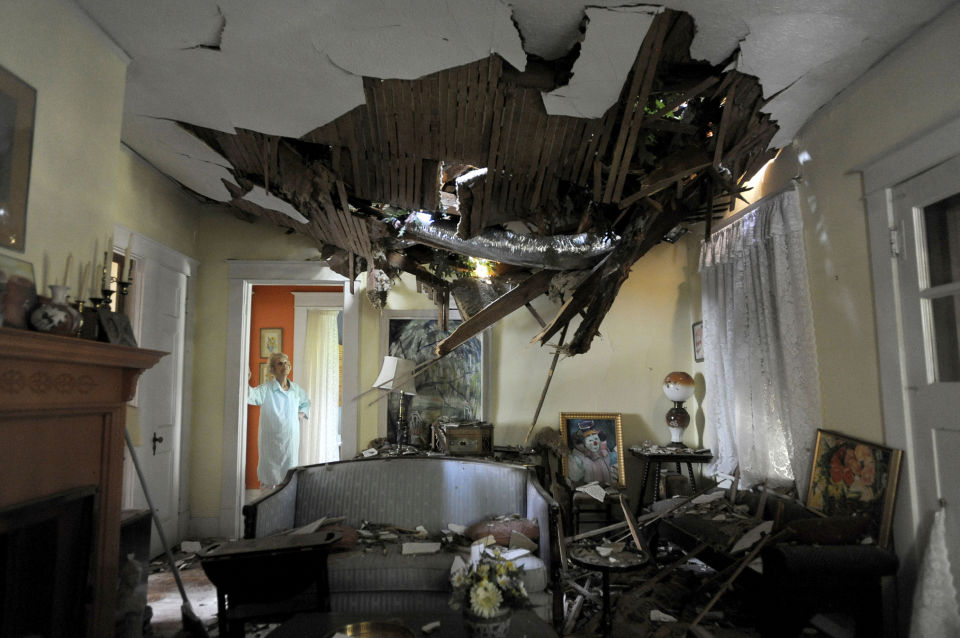
According to the Insurance Information Institute, Superstorm Sandy caused $18.75 billion in insured property losses, and that’s excluding flood insurance claims covered by the US government. In the last five years floods have affected all 50 states. Around 20% of all flood insurance claims came from low-risk areas. In 2014, the average flood claim was more than $29,000.
When a hurricane or other severe storm results in flooding or structural damage to your home, the results can be catastrophic. But you can avoid many future headaches by making small changes. Here are four household hack to make your home sweet home safer against the next big storm.
Know Your BFE
A key factor in keeping your home safe from flooding is knowing your BFE (Base Flood Elevation). According to Disastersafety.org, that’s the elevation at which your building has a one % chance of flooding annually. You should build your home at at least three feet above BFE to minimize risk. Additionally, make sure your electrical outlets are 12 inches above the BFE to avoid outages during a flood or fire from a short circuit.
Trim Extra Branches
Trees crashing into homes are not uncommon during hurricanes, but you can reduce the risk of this happening to your home. You don’t need to get rid of all the trees on your property, but some maintenance will do the trick. according to Indiana.gov, homeowners should trim branches that are weak or overhanging to reduce the number of limbs that could break and cause property damage.
Be Prepared to Make Shutters
The last thing a homeowner wants to do when a hurricane hits is to have to rush to a home supply store to purchase plywood for emergency shutters. Instead, have materials at home so you’re prepared. Cut the plywood to fit your window, ready a drill and drill bits and be prepared to put those shutters up if needed. The Federal Alliance of Safe Homes has a full set of instructions.
Do Your Homework on Flood Insurance
The most important way to be prepared in case of a flood is to be insured. Many homeowners wait until it’s too late. According to FEMA, most home insurance plans do not cover flood insurance. Plus, flood insurance takes a month to go into effect after the premium has been paid, so get insured pronto!
Source: Weather Safety – Home Hacks to Withstand the Worst – Blog – The Weather Channel

